
By Konstantin Kalnyi
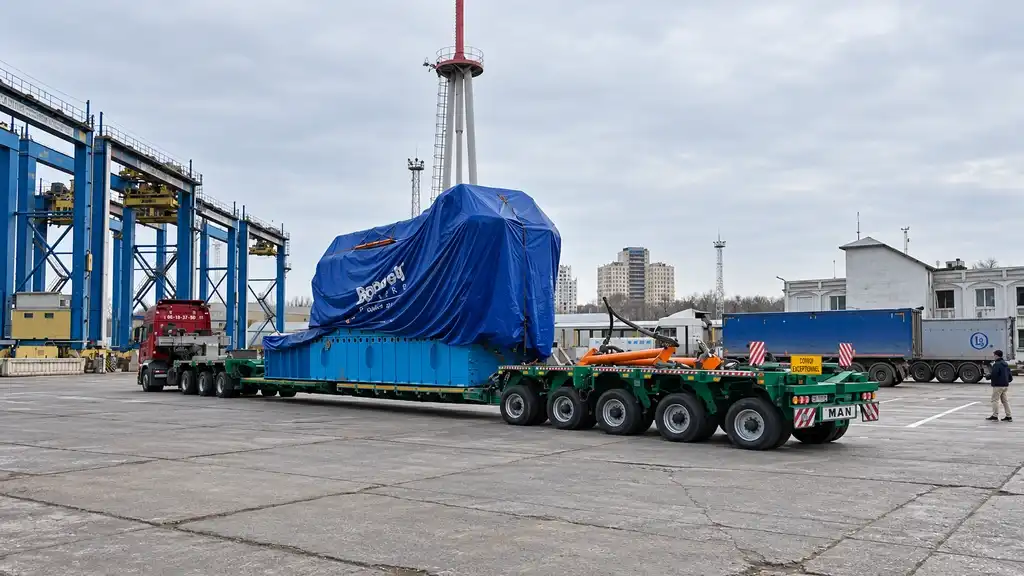
The logistics industry frequently speaks about end-to-end visibility as though every cargo movement can be represented by the same digital model. For containerised freight, that assumption is increasingly realistic. A container has a standard number, standard dimensions and a sequence of familiar milestones that can be recorded across terminals, vessels and inland transport systems.
Breakbulk cargo does not fit this model so easily.
Steel products, machinery, industrial equipment, construction materials and oversized units are shipped as individual pieces rather than inside standard containers. Each item may have different dimensions, weight, lifting points, handling restrictions and securing requirements. A single shipment can involve hundreds of cargo units, several transport contractors, different storage areas and multiple loading sequences.
The result is a persistent data visibility gap. Shippers may know where the vessel is but not whether every cargo unit is ready. Carriers may receive a packing list without the final dimensions. Terminals may have the cargo but lack an approved lifting plan. A digital platform may show that the vessel has arrived while providing little information about whether loading can actually begin.
Improving breakbulk visibility therefore requires more than adding another tracking screen. The industry must first identify which information matters, who is responsible for providing it and how updates should be exchanged when operational conditions change.
Container Visibility is Based on Standardisation
The success of container tracking begins with the container itself.
Each unit has a unique identification number and broadly standardised dimensions. It moves through ports designed around standard handling equipment and familiar operational processes. Although disruptions still occur, the basic milestones are relatively consistent: container received, loaded, vessel departed, transhipped, discharged and released.
These events can be captured automatically or entered through established terminal systems. Customers can follow the shipment because the physical unit, documentation and digital record remain closely connected.
Also Read: Ecommerce Logistics Specialists Partner with AI Start-up to Drive Innovation in Data Management
Breakbulk cargo has no equivalent universal structure.
One item may be a steel coil, another a bundle of pipes and another a large industrial component. Cargo can be loaded inside a vessel’s hold, on deck or across several spaces. Some units can be handled with standard hooks, while others require spreader beams, lifting frames, slings or specially engineered equipment.
The cargo may also change before shipment. Production tolerances can affect final dimensions. Packaging may add weight or alter lifting points. Individual units may be delivered to the terminal in a different sequence from the one originally planned.
A digital system cannot create reliable visibility unless the underlying cargo data is accurate and consistently maintained.
Visibility Begins before the Cargo Reaches the Port
Many Global shipping systems focus on vessel movements because AIS information is widely available and relatively easy to display. Yet the earliest and most important visibility problems often arise before the cargo arrives at the port.
Breakbulk shipments may originate from several factories, warehouses or construction sites. Each unit must be manufactured, inspected, packed, marked and transported to the terminal. Oversized pieces may require road permits, route surveys, escorts or temporary infrastructure work.
If one critical unit is delayed, the entire loading sequence can be affected.
A status such as “cargo ready” is therefore too general. It may mean that production is complete but packing has not started. Also, it may mean that the unit is packed but still awaiting transport permits. And it may mean that the cargo has reached the port but has not passed customs or terminal inspection.
Effective visibility requires clearly defined milestones. These might include:
- Production completed
- Final dimensions and weight confirmed
- Packing completed
- Lifting points verified
- Export documentation approved
- Inland transport arranged
- Cargo dispatched from origin
- Cargo received at terminal
- Cargo inspected
- Cargo positioned for loading
Every milestone should have an agreed meaning, responsible party and time stamp. Without this structure, digital dashboards may create the appearance of visibility while presenting information that different participants interpret differently.
Cargo Dimensions are Operational Data
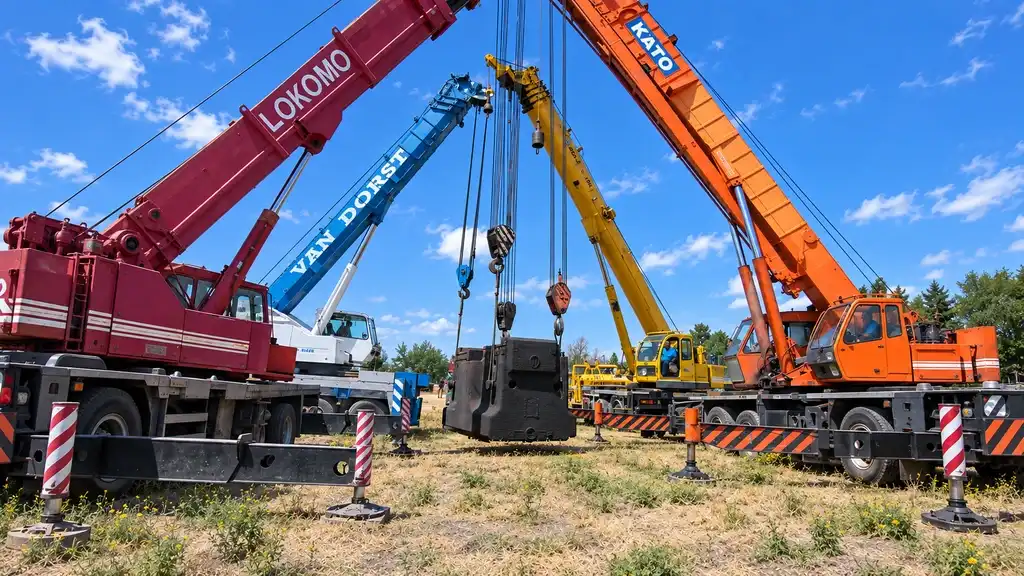
In many supply chains, dimensions and weight are treated mainly as commercial information. In breakbulk shipping, they are operational data that determine whether the transport plan is physically possible.
A small change in height may prevent a unit from passing through a hatch opening. A difference in weight may require a different crane configuration. An incorrect centre of gravity may affect lifting safety. Changes to packaging can alter the way cargo is secured or positioned on board.
This makes data quality as important as data availability.
When arranging breakbulk cargo chartering, the broker and vessel operator need more than a total tonnage and volume. They may require an itemised cargo list showing the length, width, height, gross weight, number of pieces, packaging type and special handling requirements of every significant unit.
For heavy or unusual cargoes, additional information may include:
- Drawings and photographs
- Centre-of-gravity position
- Lifting and lashing points
- Permissible sling angles
- Structural limitations
- Weather sensitivity
- Stacking restrictions
- Required orientation
- Supporting-frame details
The problem is not simply collecting this information once. The data must remain controlled as the shipment develops. If the manufacturer revises a drawing or the packing contractor changes the support frame, every party relying on the previous information must receive the update.
An outdated spreadsheet can be more dangerous than no spreadsheet because it gives participants confidence in information that is no longer correct.
Also Read: How to Start Your Own eCommerce Business: A Comprehensive Guide
Multiple Parties Create Multiple Versions of the Shipment
A breakbulk movement may involve the shipper, receiver, freight forwarder, shipbroker, carrier, vessel owner, terminal, stevedore, surveyor, agent, customs broker, inland haulier and equipment provider.
Each participant has a different operational role and may maintain a separate version of the cargo information.
The shipper may organise the packing list by purchase order. The terminal may organise it by storage location. The vessel operator may organise it according to the stowage plan. The stevedore may focus on lifting sequence and equipment requirements.
All these views can be valid, but they must refer to the same physical units.
Problems arise when cargo descriptions, item numbers or quantities are changed between documents. A unit identified by a manufacturer’s serial number may appear under a different reference in the terminal tally. Bundles may be combined for transport and then separated for loading. Revised documentation may be sent to one participant but not the others.
A central data environment can reduce these inconsistencies, but technology alone does not solve the governance problem. The parties must agree which record is authoritative, who can change it and how revisions will be communicated.
Visibility requires data ownership as much as data access.
Milestones Must Reflect Physical Operations
Digital logistics systems often simplify a shipment into a sequence of events. This is useful, but breakbulk operations cannot always be represented by a single status for the whole consignment.
Loading may take several days. Some cargo can be on board while other units remain in terminal storage. A heavy piece may require a separate lifting operation. Weather can interrupt work after one hold has been completed but before another begins.
A status such as “loading in progress” provides limited value unless the user can see what has actually been loaded.
More useful visibility might show:
- Units delivered to the terminal
- Units inspected and accepted
- Units positioned alongside the vessel
- Units loaded into each hold
- Units loaded on deck
- Units awaiting special equipment
- Units rejected or requiring clarification
- Securing work completed
- Final tally confirmed
This level of detail does not need to create unnecessary administration. The system should capture only information that helps participants make decisions.
The challenge is balancing detail with practicality. If every operational action requires several manual entries, users may stop updating the system. If the milestones are too general, the dashboard will not explain the real status of the shipment.
The best systems are designed around the decisions that users need to make, not simply around the data that technology can collect.
Vessel Tracking is Only One Part of Visibility
AIS data has made vessel movements easier to monitor. Shippers can see the vessel’s reported position, speed, destination and recent port calls.
This information is valuable, but it represents only the vessel side of the shipment.
Knowing that the ship is three days from the loading port does not confirm that the cargo is ready, the berth is available or the lifting equipment has been approved. A vessel can arrive on schedule and still wait because one operational element is missing.
The reverse can also occur. Cargo may be ready at the terminal while the vessel is delayed at a previous port. In that situation, the shipper needs more than a changing estimated time of arrival. The shipper needs to understand the basis for the delay, the reliability of the revised schedule and the effect on terminal storage or contractual delivery dates.
Real visibility must therefore connect vessel data with cargo readiness, berth planning and operational documentation.
A vessel icon moving across a map is easy to understand, but it should not be mistaken for complete shipment visibility.
Loading and Discharge Create Their Own Data Gaps
The physical handling stage is where digital plans meet operational reality.
Crane availability, weather, cargo position, stevedore productivity and vessel stability can all affect the planned sequence. A unit expected to load first may be blocked in storage. A sling arrangement may require adjustment. The vessel may need to change ballast before the next heavy lift.
These developments are often communicated through telephone calls, messaging applications and email. The information may reach the people directly involved while remaining absent from the central system.
As a result, management dashboards can lag behind the actual operation.
The importance of connecting digital cargo data with physical operations can be seen in this breakbulk cargo handling operation arranged by Kiev Shipping.
Video, photographs and time-stamped operational updates can provide useful evidence of progress. They can also help remote stakeholders understand why a particular stage takes longer than expected.
However, visual evidence must be connected to identifiable cargo units and agreed milestones. A photograph showing cargo beside a vessel does not by itself confirm that the cargo has been accepted, loaded or secured.
The objective is to create an auditable operational record rather than an unstructured collection of messages and images.
Documentation is Part of the Visibility Problem
Breakbulk shipments generate a large number of documents, including cargo lists, drawings, lifting plans, method statements, survey reports, customs documents, mate’s receipts and bills of lading.
These documents are often prepared by different organisations using different templates.
A digital platform may store the files, but storing documents is not the same as controlling their status. Users need to know which version has been approved, which document is awaiting review and which revision has been superseded.
A lifting plan marked “final” by one contractor may still require approval from the vessel. A cargo list used for customs may not reflect the final loading sequence. The bill of lading quantity may depend on the completed tally rather than the original booking.
Visibility should therefore include document status and approval responsibility.
This can be achieved through relatively simple controls:
- Consistent file naming
- Revision numbers
- Named document owners
- Approval status
- Time-stamped changes
- Access permissions
- Automatic notifications
- Archived previous versions
These measures are not technologically advanced, but they prevent many operational misunderstandings.
More Data Does Not Always Mean Better Visibility
The industry’s response to limited visibility is often to collect more information. This can create a second problem: too much data without a clear hierarchy.
Operational teams may receive hundreds of emails, photographs and system notifications. Important changes can disappear inside routine updates. Different dashboards may show different versions of the same event.
Good visibility depends on relevance.
A charterer may need to know whether cargo readiness threatens the vessel’s laycan. A terminal planner may need final dimensions and delivery times. A vessel operator may need lifting details and the expected stowage sequence. Senior management may need only exceptions that could affect cost or schedule.
The same underlying data can support these different views, but the system should present information according to each user’s responsibilities.
Exception-based reporting is especially useful. Instead of asking users to review every normal milestone, the system can highlight missing information, delayed units, conflicting dimensions or approvals that have not been completed.
Technology creates value when it directs attention to the decisions that require human action.
Standardisation Must Remain Flexible
Breakbulk shipping would benefit from greater standardisation in cargo descriptions, milestone definitions and data exchange. Standardisation can reduce repeated manual entry and make it easier for systems to communicate.
However, the industry should not try to force every shipment into an inflexible container-style model.
Breakbulk cargo is diverse by definition. A standard that works for steel coils may not capture the information required for a transformer, wind-turbine component or production line. Different ports and vessel types also create different operational requirements.
A practical approach is to establish a common core of information while allowing additional fields for cargo-specific requirements.
The common core might include:
- Unique cargo-unit identifier
- Description
- Quantity
- Dimensions
- Weight
- Origin and destination
- Readiness status
- Current location
- Document status
- Planned vessel and voyage
- Loading and discharge milestones
Additional modules could then capture heavy-lift engineering, dangerous-goods information, weather limitations or specialised securing requirements.
The goal should be interoperability without oversimplification.
A Practical Path Towards Better Visibility
Closing the breakbulk data gap does not require every participant to adopt one global platform immediately.
Improvement can begin with better information discipline.
First, the parties should agree on a unique identifier for each significant cargo unit. That identifier should appear in the packing list, drawings, terminal records, photographs and loading tally.
Second, responsibility for each data field should be defined. The manufacturer may confirm dimensions, the terminal may confirm receipt and the vessel may confirm loading. This prevents several parties from maintaining competing versions of the same information.
Third, milestones should describe observable events rather than general impressions. “Ready” should be replaced with specific statuses that can be verified.
Fourth, changes should be distributed automatically to affected parties. If cargo dimensions are revised, the terminal, vessel and engineering teams should not depend on someone forwarding an email manually.
Fifth, the system should preserve an audit trail. Participants need to know what changed, when it changed and who authorised the change.
Finally, technology should support established operational communication rather than attempt to remove it. Complex cargoes will always require discussion among experienced professionals. The digital record should capture the outcome of those discussions and make the agreed position visible to the wider team.
Also Read: The Importance of Technology in Streamlining Car Shipping Processes
Visibility is an Operational Capability
Breakbulk shipping does not lack data. It lacks consistent connections between data, physical cargo and operational responsibility.
The industry already has vessel tracking, terminal systems, digital documents, photographs and communication platforms. The challenge is ensuring that these sources describe the same shipment accurately and at the right level of detail.
True visibility means being able to answer practical questions:
Is every cargo unit ready? Are the recorded dimensions final? Has the terminal received the correct pieces? Is the approved lifting plan based on the latest data? Which units are on board? What remains ashore? Who is responsible for resolving the current exception?
A system that cannot answer these questions may still look sophisticated, but it does not provide complete operational visibility.
The future of breakbulk digitalisation lies in combining common data standards with the flexibility required by non-standard cargo. Technology can make information easier to exchange, compare and audit. The industry must ensure that the information remains connected to the real cargo and to the people responsible for moving it.
Only then will breakbulk visibility become more than a vessel displayed on a map.
Author Biography

Konstantin Kalnyi is the CEO and Founder of Kiev Shipping Ltd and an international shipbroker with more than 25 years of experience. He specialises in vessel chartering and maritime brokerage for dry bulk, breakbulk and project cargoes and has arranged more than 350 voyages.